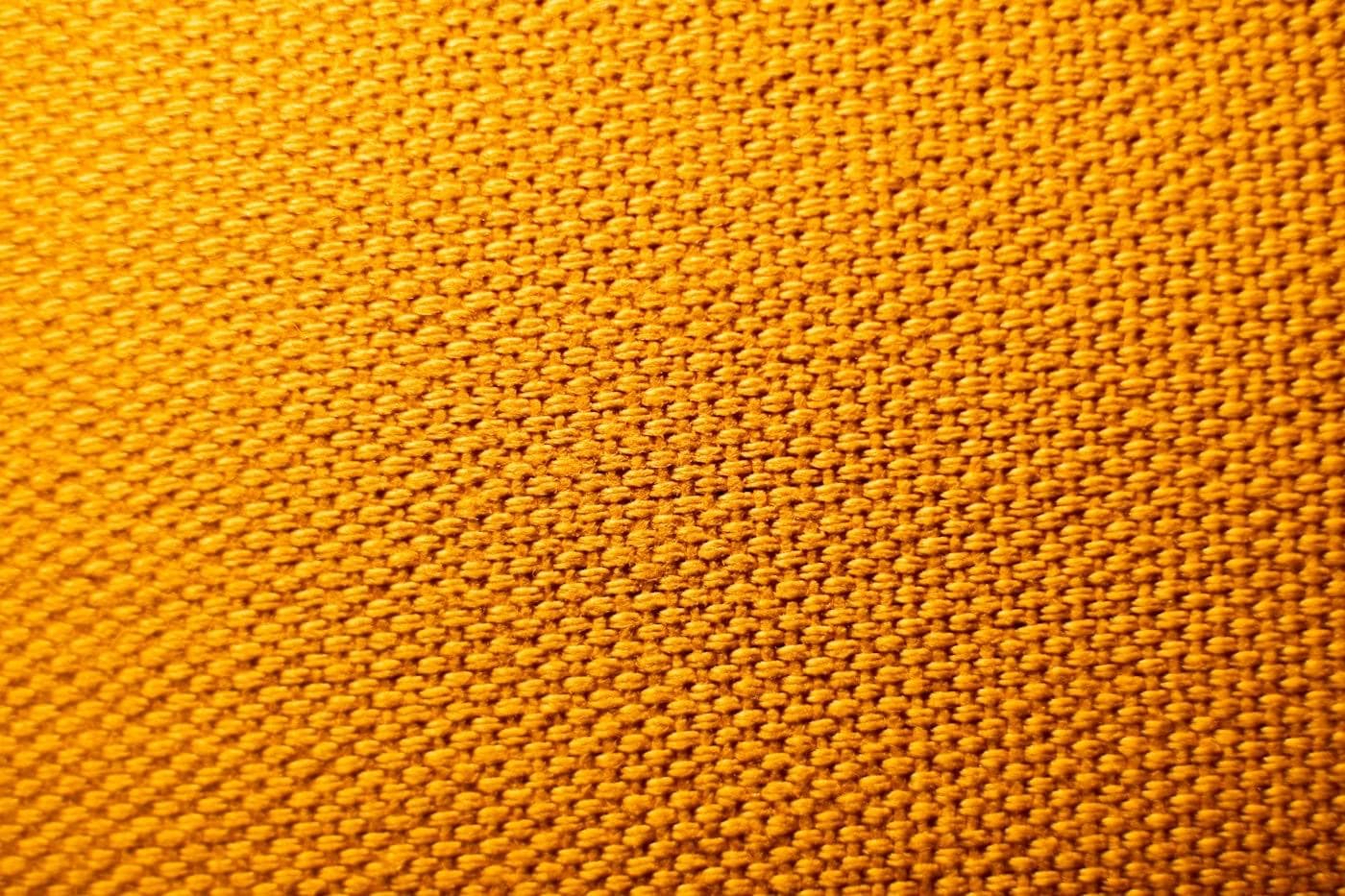
10 fabrics · Knitted & woven · cotton, polyester, viscose & blends · dyed or greige
Garment Fabrics
Lycra, poplin, sheeting, crepe, rayon, chambray, twill, drill, canvas and duck
Ten fabric families that cover most of what a garment, uniform or home textile unit cuts in a year, from stretch knits and fluid crepes to shirting, bottom-weights and heavy canvas. Every one is supplied to your requirement: GSM or weight per metre, width, thickness, composition and shade, dyed or greige. If the construction you need sits between two of these, or outside all of them, we develop it.
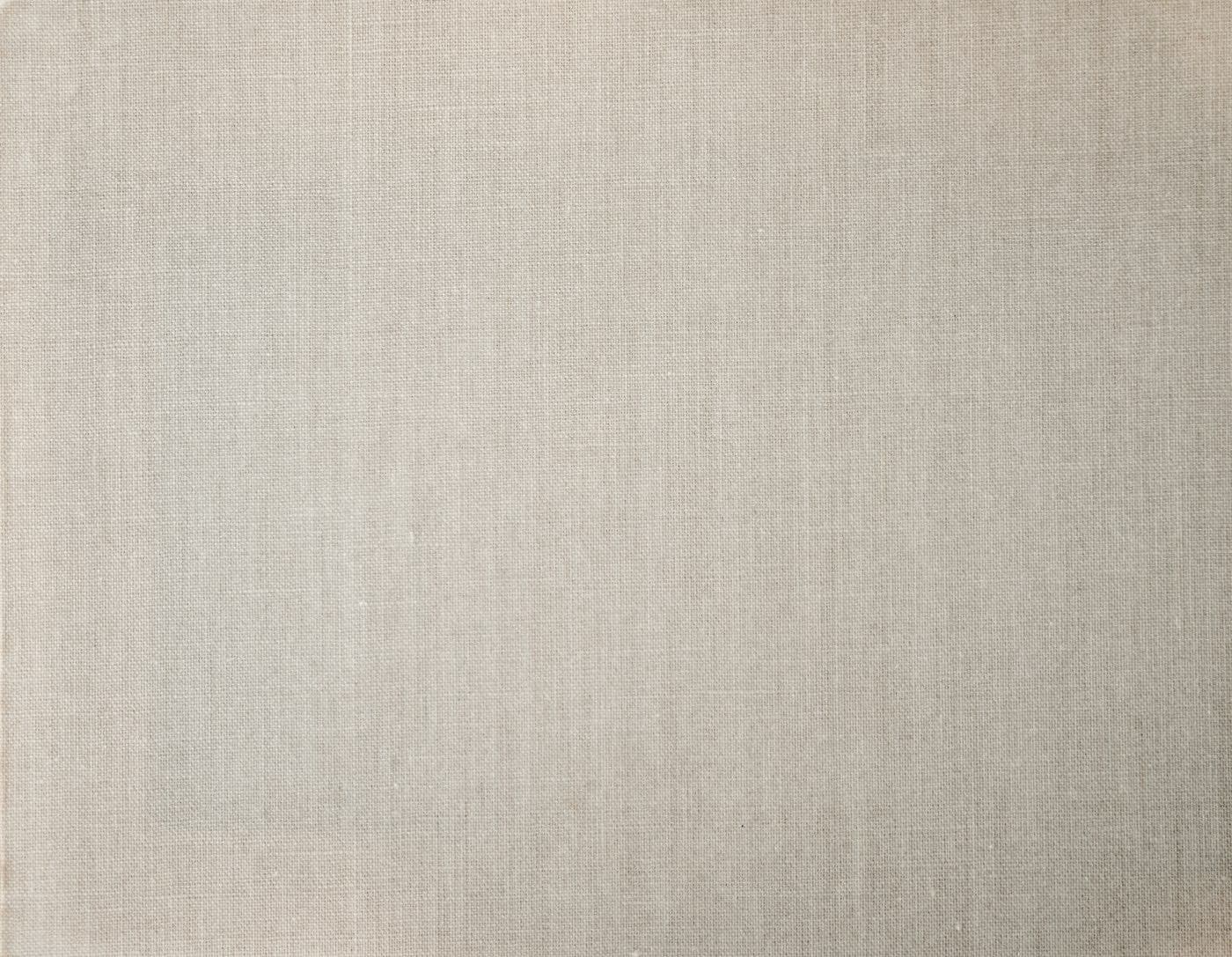
Every fabric on this page
Made to your requirement
All ranges of GSM or weight per metre, width, thickness and colour, dyed or greige, as your product needs.
- Weight
GSM or per metre
Any weight. Give us the figure, or send the cloth and we measure it.
- Width
Any width
In inches or centimetres. Tell us whether it is greige or finished width.
- Thickness
In mm
Stated and held wherever your coating, cutting or stitching depends on it.
- Colour
Dyed or greige
Dyed to your swatch or Pantone with a lab dip first, or supplied greige.
Stretch & drape
Fabrics chosen for movement and fall: lycra, crepe and rayon.
3 fabrics
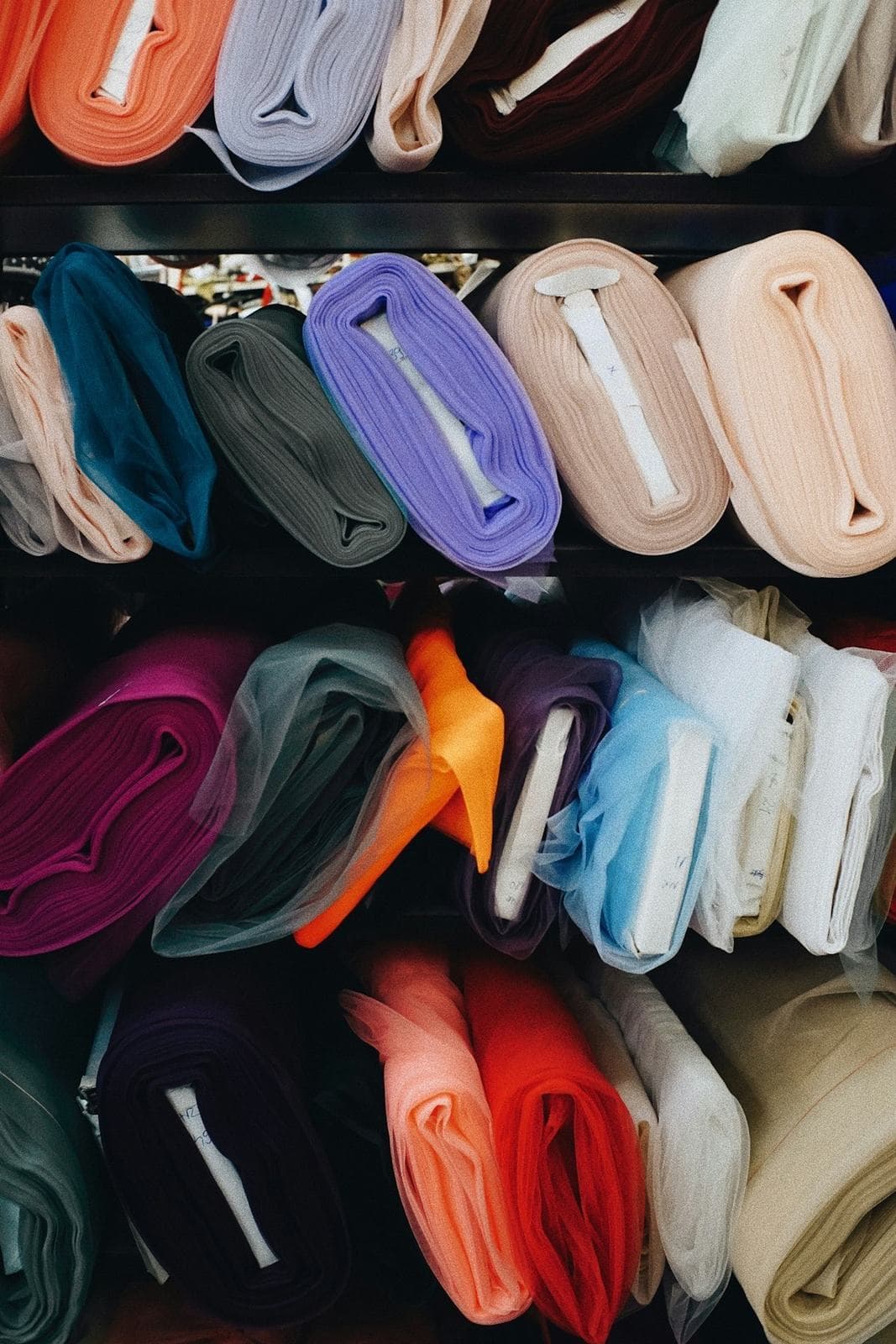
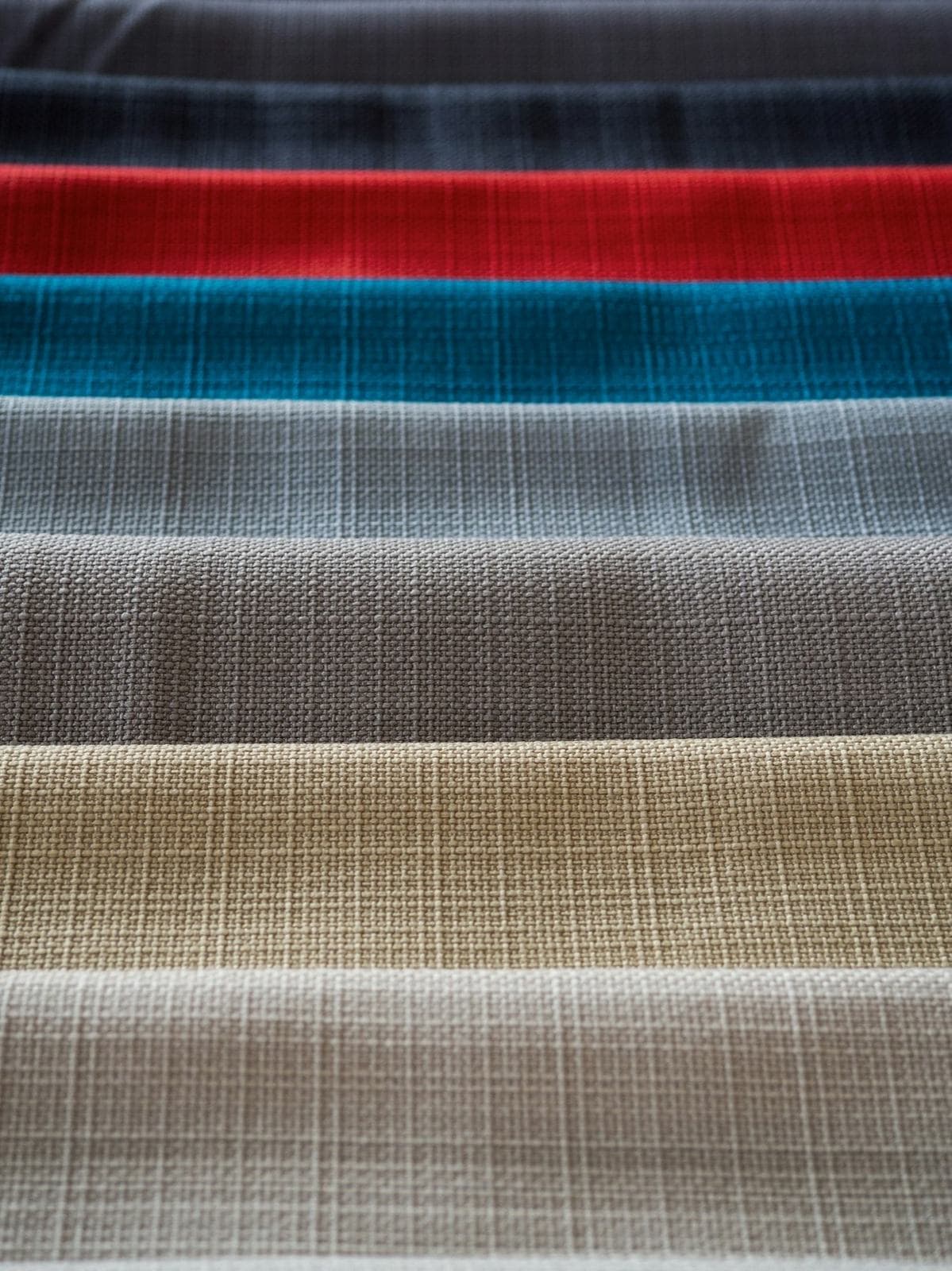
Shirting & light wovens
Plain weaves for shirts, dresses, linings and bed linen.
3 fabrics
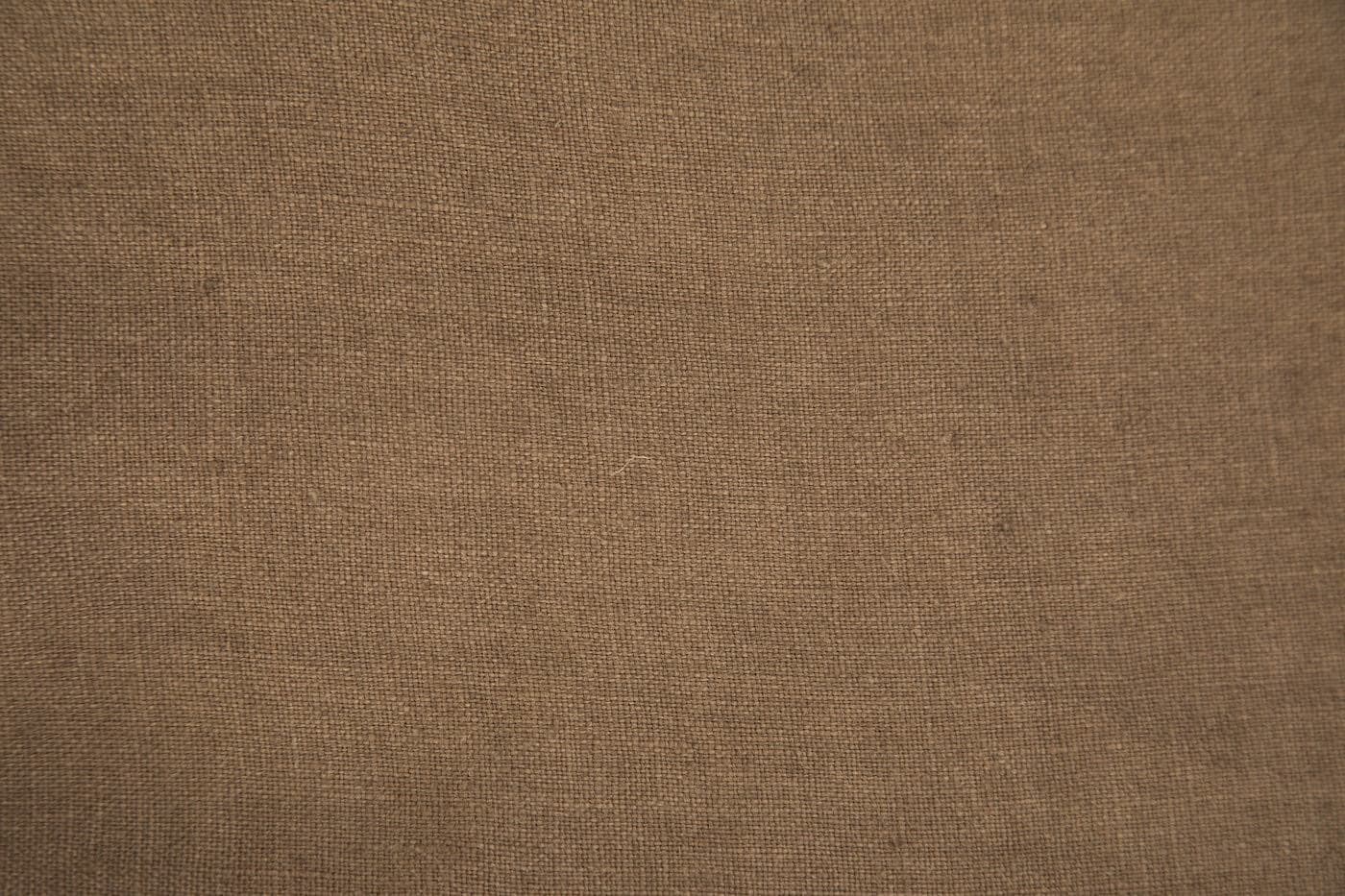
Twills & workwear
Diagonal weaves for trousers, uniforms and hard-wearing garments.
2 fabrics
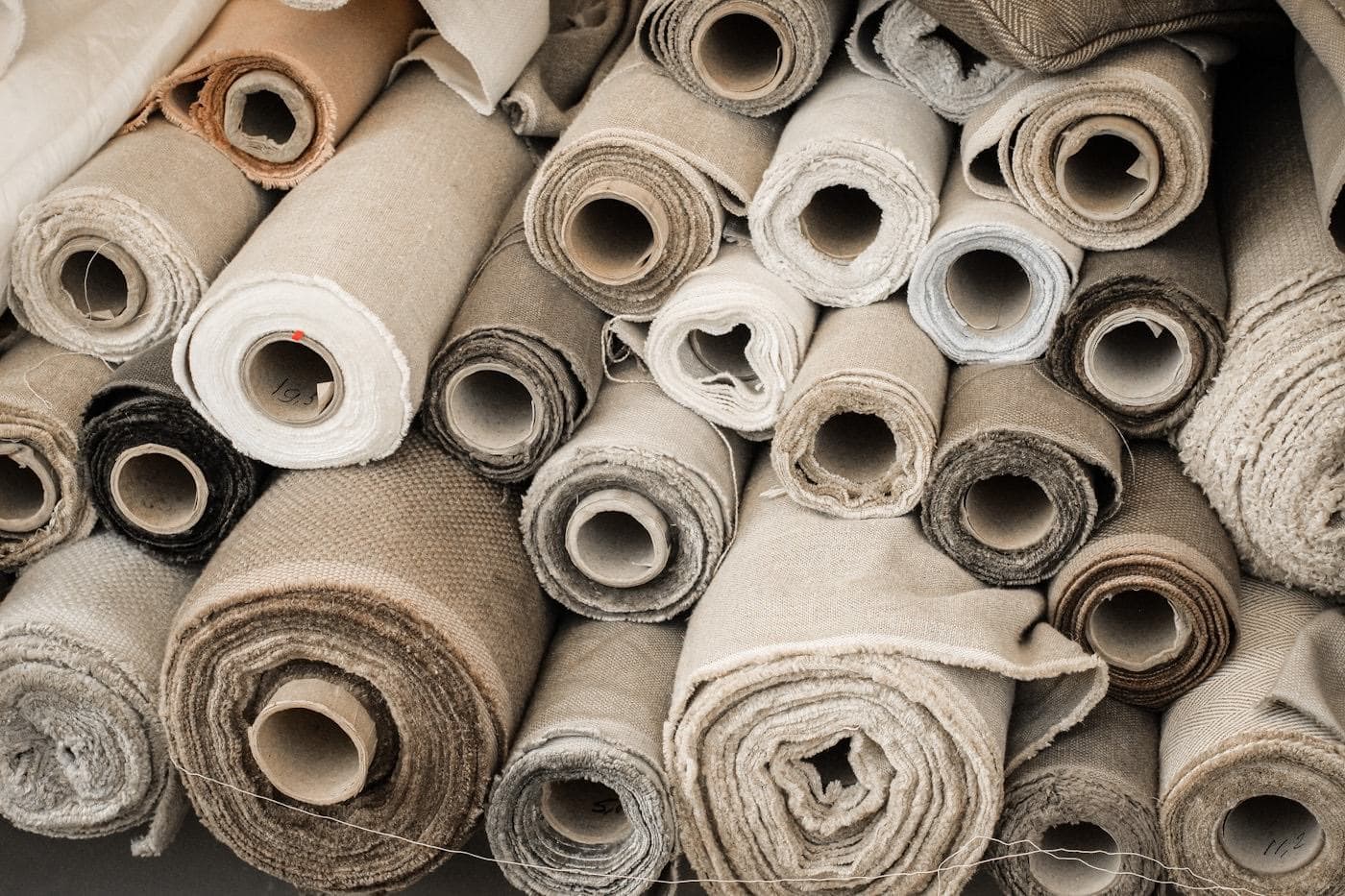
Canvas & duck
Heavy, tightly woven cloth for bags, shoes, aprons and covers.
2 fabrics
How to choose
Choosing garments fabric for your product
The questions worth settling before you order, in the order they matter.
Start with the weave
Plain weaves such as poplin, chambray and sheeting are crisp and smooth. Twills such as twill and drill are softer to drape, hide soiling better and wear longer, which is why trousers and workwear use them. Knits such as lycra stretch in every direction. The weave usually matters more than the fibre in how a garment behaves.
Then weight, in GSM or per metre
Shirts and dresses typically sit between 90 and 150 GSM, trousers and uniforms between 180 and 300, and canvas and duck well above that. Some buyers specify weight per running metre instead. Either works, as long as the width is stated alongside it.
Choose the composition for the wearer
Cotton breathes and dyes richly but creases and shrinks. Polyester blends are stable and easy care. Viscose and rayon drape and feel cool. Adding elastane (lycra) gives stretch and recovery. We supply all of these and the blends between them.
Greige, dyed or finished
Greige is loom-state cloth for processors who dye and finish themselves, and it is priced accordingly. Dyed fabric comes to your shade, ready to cut. Say which you need at enquiry so the quote compares like with like.
Buyer guides
Reading on garments fabrics
Specification · 4 min
GSM or Weight per Metre: How to Specify Fabric Weight Without Confusion
Buyers quote GSM, mills quote grams per metre, and orders go wrong in between. Here is how the two relate, with a conversion table you can use today.
Comparison · 4 min
Greige, RFD, Dyed or Printed: Which Fabric State Should You Buy?
The same construction is sold in four states at four prices. Buying the wrong one costs money in processing, or in width you did not plan for.
Specification · 5 min
Reading a Poplin Construction: What 40x40 and 132x72 Actually Tell You
Four numbers describe a woven fabric more precisely than any weight figure or quality grade. Here is how to read them.
Questions
Garments fabrics, frequently asked
Do you supply fabric in a custom GSM and width?
Yes. Every fabric in this category is supplied to your GSM or weight per metre, width and thickness. Send the figures, or a sample of the cloth you use now, and we quote against it.
What is the difference between greige and dyed fabric?
Greige (grey) fabric is unprocessed loom-state cloth, not yet scoured, bleached or dyed. Dyed fabric has been processed to a shade and is ready to cut. Greige costs less and suits buyers who process in-house or want to dye to many shades later.
Can you match a shade?
Yes. Send a physical swatch or a Pantone reference. We supply a lab dip for approval before bulk dyeing, because screen colours are never reliable enough to dye a lot against.
What is the minimum order?
It depends on the fabric and whether it is dyed to a special shade. Tell us your quantity at enquiry and we will say straight away whether it works, including when it can be added to another production run.
Not listed? Request it
We specialise in developing all kinds of fabrics.
Not finding the garment fabric you are looking for? Request it. Send us a swatch, a photo or your specification, and we will develop or source it to your GSM, width, thickness and shade, dyed or greige.